How GPR works
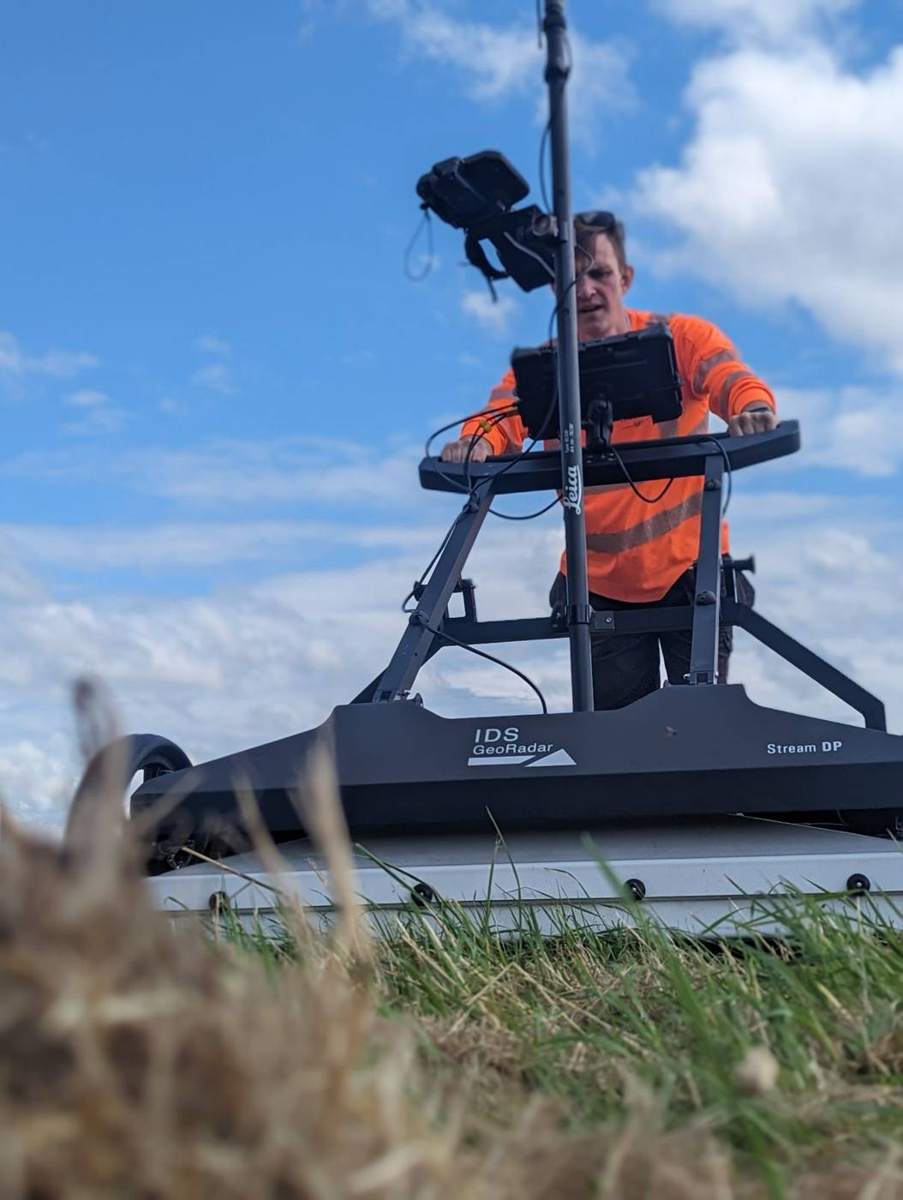
Ground penetrating radar sends pulses into the ground and records the signals reflected back from buried objects, changes in material, voids and cracks. When ground conditions suit, it finds services that other methods can't – plastic pipes and ducts in particular.
Used alongside
- CAT and Genny – electromagnetic cable avoidance tools for metallic services
- Sondes – transmitter probes pushed along plastic pipes so their route can be traced from above
- Flexi-trace rods – energised rods for small plastic pipes down to 12 mm
- Pipeline video inspection – fibre-optic cameras for small sewer and house connections
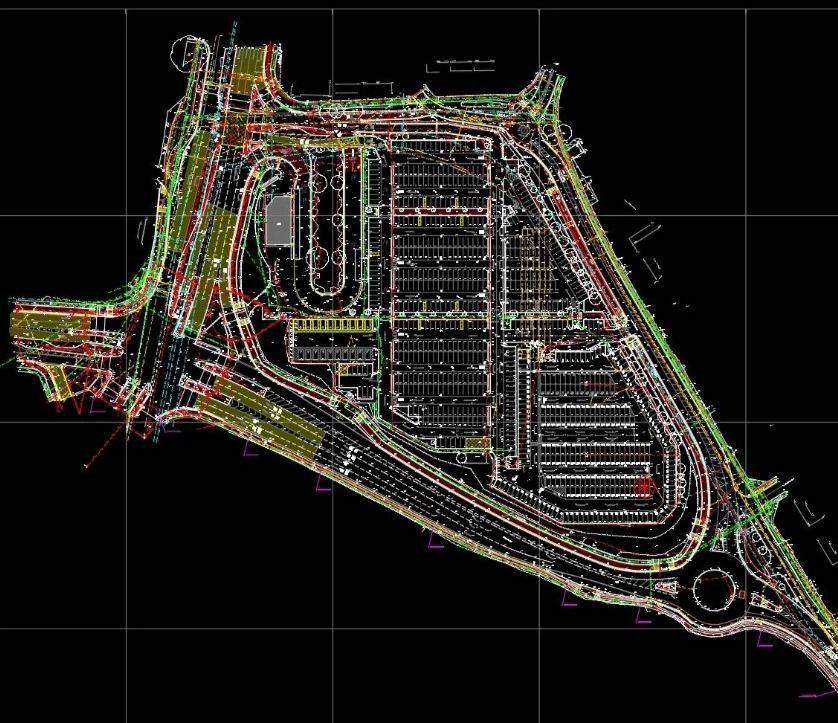
Part of a full PAS 128 survey
BSI PAS 128, developed with the Institution of Civil Engineers, is the UK specification for detecting, verifying and locating underground utilities. Our GPR work is delivered to it, so the information you receive is consistent and reliable.